Having a good internet connection is more important than ever, whether you use it for gaming, streaming, or smart home services.
What broadband connections are available today?
Home broadband internet connections, available in various types, offer the perfect solution for these needs.
- ADSL broadband connections remain the simplest and slowest, as they still depend on the traditional telephone line.
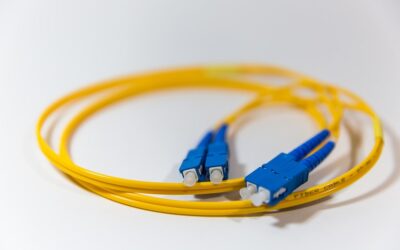
- Fiber optic connections are much faster than ADSL and offer the best performance in terms of stability, with slightly higher average prices. Unfortunately, they are not yet available everywhere, but their availability is constantly increasing, even in the most remote areas. The two typical fiber optic technologies are fiber to the cabinet (FTTC) and fiber to the premises (FTTP).
Broadband Internet connection: how to choose the perfect one?
Let's face it, home broadband internet deals probably aren't the cheapest or fastest. We can recommend them to those who are single, don't browse the web much (maybe just to check email or use social media), and rely more on mobile connections outside the home. But if you're a heavy user of video streaming platforms (like Netflix), spend hours playing video games, or if there are broadband deals that can provide a more reliable and faster internet connection than traditional DSL-based broadband, then these might be the best options.
Always consider your family's needs, how many users access the internet daily (and the number of devices connected to the network) before deciding on a broadband plan for your home. Your family's needs are constantly evolving, and recent years have demonstrated this: the rise of streaming platforms and the increase in devices connected to the home network have dramatically increased user bandwidth demands. Therefore, a good broadband package you choose today may not be suitable in a year or two. Keep in mind that fiber optic connection plans are becoming increasingly popular, offering ever more competitive rates. Of course, broadband internet technology that uses a traditional telephone line is certainly much more common, especially outside of urban areas where fiber optic cables have often not yet been laid.