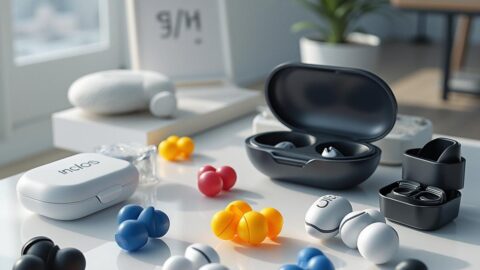
The year 2025 marked a significant advancement in the design and functionality of earplugs, crucial for protecting people from the pervasive nuisance of noise pollution. Whether in busy urban areas or quieter suburban neighborhoods, the need for reliable noise protection is more pressing than ever. With the increasing prevalence of remote work, the demand for quiet has intensified, leading to the introduction of innovative earplug solutions.
When exploring the best earplugs of 2025, we found three main categories: disposable, reusable, and technologically advanced. Each type offers advantages and disadvantages, catering to diverse consumer preferences and needs. Let's delve into each category to discern what sets them apart in today's noisy world.
Disposable earplugs remain a favorite for many thanks to their convenience and affordability. These earplugs are typically made of foam, designed to expand in the ear canal and block sound. One of their main advantages is hygiene: being disposable, they eliminate the risk of ear infections associated with reusable earplugs. They are also perfect for travelers or anyone who needs occasional noise reduction. However, sustainability has become a major concern, with environmental activists highlighting the non-biodegradable nature of many disposable earplugs.
An interesting anecdote highlights the widespread use of disposable earplugs. During the 2025 International Sleep Disorders Conference in New York, attendees received personalized foam earplugs as part of their welcome kit. The response was overwhelmingly positive, especially from international delegates, who appreciated their usefulness during long flights.
Following the transition from disposable to reusable earplugs, the latter have gained popularity due to their environmental benefits and long-term cost-effectiveness. Made of silicone or plastic, these earplugs offer durability and a snug fit. They also typically come in a variety of sizes and filters to accommodate different noise levels and ear shapes. However, they require regular cleaning and maintenance to prevent hygiene issues. Experts emphasize the importance of proper care, as improper use can cause discomfort or reduce their effectiveness.
A survey conducted by the European Acoustic Association revealed that reusable earplugs account for 40% of earplug sales in Europe, demonstrating a growing preference for disposable ones. This shift is attributed to increased environmental awareness and cost-saving measures by consumers. Furthermore, manufacturers have responded with innovative designs that ensure comfort and maximum noise reduction.
Perhaps the most exciting development in the earplug market in 2025 is the rise of technologically enhanced earplugs. These advanced devices are equipped with features such as active noise cancellation, Bluetooth connectivity, and even biometric data monitoring. Known as "smart earplugs," they are aimed at tech-savvy consumers who seek not only noise protection but also a multifaceted audio experience. They allow for a seamless transition between blocking out ambient noise, streaming music, or managing phone calls with clarity.
A fascinating example of smart earplugs in action was seen in a case study with attendees at the 2025 Glastonbury Festival. Equipped with sound-enhancing technology, these earplugs allowed users to enjoy live performances without the risk of hearing damage, while providing real-time audio adjustments based on ambient sounds.
The market for advanced earplugs is dominated by tech giants from regions like North America and Asia, where audio technology research and development are highly concentrated. According to a report published by the Global Audio Technology Forum, these areas account for over 60% of smart earplug sales, highlighting the significant geographical disparities in access to technology.
Despite their superior technology, a notable drawback of smart earplugs is their cost, which limits their accessibility to the general public. Furthermore, concerns persist about durability and battery life, and some consumers fear having to replace or repair them frequently.
Regarding customer opinions, reviews vary considerably depending on the type of earplug. A global survey conducted by SoundShield magazine showed high satisfaction with disposable earplugs due to their immediate convenience, especially among travelers and occasional users. However, environmental concerns significantly diminished their appeal.
Reusable earplugs have been praised for their sustainable design, though some users have expressed dissatisfaction with long-term comfort and cleaning difficulties. Experts recommend trying several brands to find the perfect fit, which could alleviate these issues.
Tech enthusiasts praised smart earbuds for their multifunctionality and improved sound quality. However, frequent updates and potential technical glitches were common complaints, leading to a preference for brands that offer excellent customer service.
Interestingly, a geographical analysis of sales trends reveals that preferences vary according to lifestyle and economic factors. In North America, premium and technologically advanced earplugs are experiencing strong sales growth, attributed to increased disposable income and technological affinity. Meanwhile, in parts of Africa and South Asia, affordability is driving the popularity of basic disposable earplugs, despite environmental campaigns against their use.
Reflecting on the evolution of earplugs over the decades, it's clear they've progressed from rudimentary solutions to highly sophisticated devices. This transformation reflects the growing emphasis on acoustic well-being and the relentless pursuit of innovation to improve quality of life.
Given the rise in noise pollution, the role of earplugs in protecting against auditory overload remains undeniable. Whether through basic foam earplugs or cutting-edge smart devices, the market in 2025 will offer a variety of solutions tailored to the diverse needs of a global audience.
In conclusion, the choice of earplugs depends on individual priorities, whether cost, sustainability, convenience, or technology. Advances in earplug technology demonstrate a concerted effort to improve the listening experience and protect our ears, underscoring their necessity in an increasingly noisy world.